Special Needs Trusts: Everything You Need to Know


Special Needs Trusts
Special Needs Trusts are an Estate Planning technique that shelters assets for a Special Needs Person. The person benefits but does not lose needs-based government benefits.
What Is a Special or Supplemental Needs Trust?
A Special Needs Trust describes an Irrevocable Trust holding assets for a person receiving needs-based government benefits. The person who benefits from the Trust is the “beneficiary.” Typically, the Beneficiary is an individual with physical or mental disabilities who qualifies for needs-based benefits, such as Medicaid. Giving this person money or making them an heir would disqualify them. Congress developed Special Needs Trusts to hold assets for these people without excluding them from benefits. A Special Needs Trust allows you to look out for your loved one by providing them with little extras. You improve their life but don’t harm their benefits.
First-Party Special Needs Trusts
An irrevocable trust, a First-Party Special Needs Trust holds a special needs person’s assets. The Trustee uses these assets for the Special Needs Person’s care. But it does not disqualify them from needs-based government benefits like Medicaid.
First, Party Special Needs Trusts often hold legal settlements. Other examples include inheritances or divorce settlements. The goal is to continue using needs-based benefits and enjoy the benefits of the new assets. Because these are the SNT person’s assets, unused amounts must be applied to reimburse Medicaid.
Example: George, a Philadelphia resident, becomes a Special Needs Person due to a car accident. He begins collecting Medicaid. Years later, his lawyer obtained a $100,000 settlement. George places the money in a First Party Special Needs Trust. George continues to collect Medicaid. At his death, the SNT still holds $60,000. George used $150,000 of Medicaid benefits. The successor trustee must apply the $60,000 towards the $150,000 “debt.”
Third-Party SNT: Trusts Set Up by the Family
Unlike first-party special needs trusts, third-party trusts are irrevocable trusts funded using other people’s money. If properly drafted, the Trustee can use these funds to provide for the Special Needs Person without disqualifying them from needs-based government benefits such as Medicaid. Because the funds never belonged to the Special Needs Person, at death, any remaining money does not have to be applied to reimburse Medicaid.
A Parent’s estate plan will often include a Third-party SNT.
Example: Grandpa is a Bucks County, Pennsylvania resident and directs his Estate Planning Lawyer to draft a Will. The Will includes a Third-Party Special Needs Trust for the Grandson. At Grandparent’s death, the executor funds the Trust. The Trustee can provide for the Grandson. Grandson, a Camden County, New Jersey resident, continues to receive NJ Medicaid benefits. At Grandson’s death, the SNT still holds $100,000. This money does not need to be paid back to New Jersey for Medicaid use. Instead, it passes outright to the Granddaughter, per the grandparents’s Will terms.
Pooled Special Needs Trusts
Sometimes, a Special Needs Person owns assets, but forming a First Party Special Needs Trust is inconvenient or impractical. In these cases, the funds can be contributed to a Pooled Special Needs Trust. As the name suggests, the funds are “pooled” with those of other Special Needs people’s resources, creating economies of scale. The professional Trustee manages the funds for the Special Needs person, but at death, the funds must be applied to reimburse Medicare.
Advantages of a Supplemental Needs Trust
- Special Needs Trusts allow the Beneficiary to benefit from Trust assets without being disqualified from needs-based benefits.
- The Trust’s Trustee looks out for your loved one. Because many people with physical and mental disabilities cannot manage money, they need help. A Special Needs Trust allows you to pick someone to help. This helper can be a family member or a professional Trustee. This person then manages the asset for the Beneficiary. Think of the Trust providing your loved one a protective wall. This wall provides shelter from waste, abuse, and theft. While protecting the assets, the Trustee can use the Trust’s funds. They are making your loved one’s life better.
- A Special Needs Trust protects assets from theft, abuse, and waste.
- An additional layer of protection is possible by naming a Trust Protector. This Trust Protector is typically someone who will look out for the Beneficiary but does not wish to serve as Trustee. The Trust Protector can monitor the Trustee and has the right to remove and replace the Trustee at any time.
Common Questions Regarding Supplemental Needs Trusts
Reasonable Prices | Years of Experience | We Make Trusts and Estate Planning Easier
Please get in touch with us with any questions about Special Needs Trusts or other estate planning topics. Schedule a free consultation. Klenk Law has focused only on Estate Law for more than two decades. We’ve seen it all, and this experience allows us to explain complex estate planning techniques clearly and concisely. We make it easy for you to understand Special Needs Trusts so you can make the best decisions for yourself and your family.
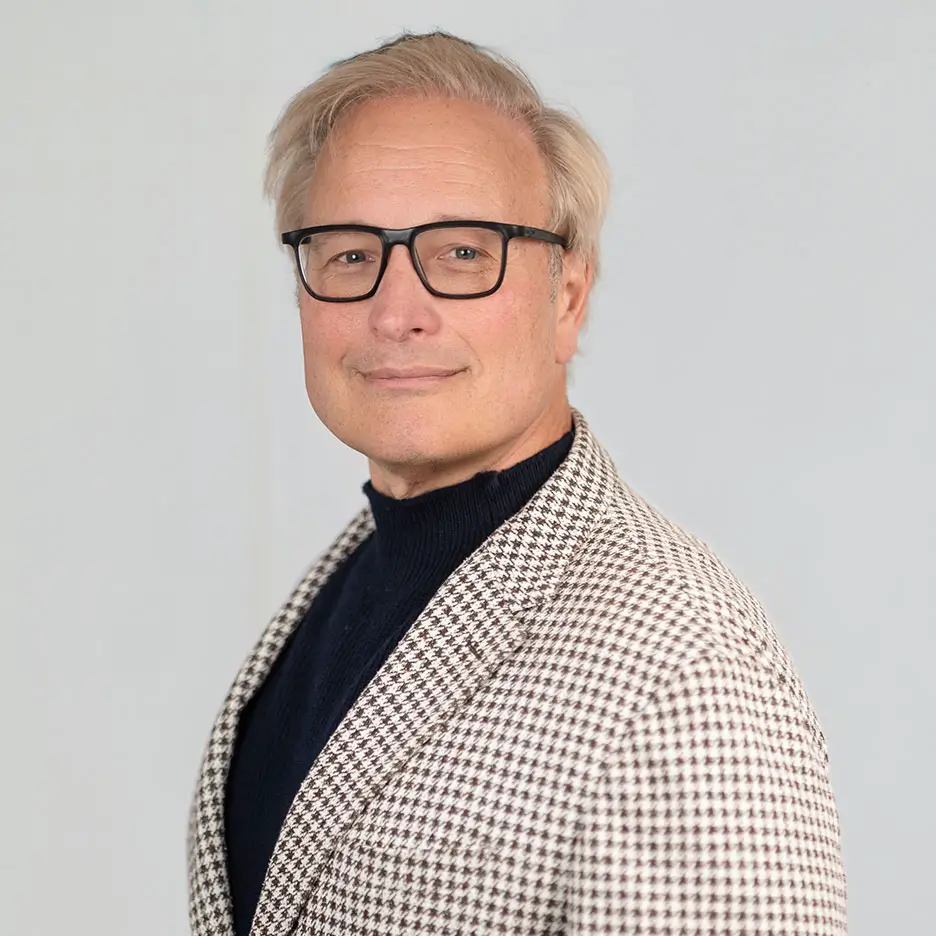
Peter Klenk is the founding member of Klenk Law, a seven-attorney boutique estate planning law firm. We serve clients in Pennsylvania and New Jersey. Peter Klenk received his Master’s in Taxation, LL.M., from NYU Law School and his J.D. from the University of Minnesota Law School. He served his country in the Navy JAGC during Desert Storm. Easy to talk to, feel free to call Peter for an appointment. We will make the process as easy as possible!
Free Consultation
Client Review
"I worked for Peter Klenk for 4 wonderful years. I can’t speak highly enough of everyone at the firm. Everyone truly cares about their clients and has a strong sense of responsibility to get things done right. I would highly recommend Klenk Law!"
Flora Novick

Areas Served:
Philadelphia PA, Allentown PA, King of Prussia PA, Montgomery County PA, Bucks County PA, Doylestown PA, Jenkintown PA, Marlton NJ, Moorestown NJWhat Our clients are saying
Walker Vreeland
Peter Klenk was a joy to work with. He made sure I understood every element of the process of estate planning and his firm made the process seemless and uncomplicated. Very grateful!
Gwen Hinrichs
I can't tell you how satisfied I am with this law firm. They were competent and helped me with a very difficult situation. They got the job done in a timely fashion and I am so happy I found them. If you find yourself in a difficult and contentious probate situation I highly recommend this firm. There is just no way I could have had this positive outcome without them. I worked with 2 different lawyers prior to hiring them and neither of them could get the job done like Klenk. Daniella Horn was a pleasure to work with and highly competent.
Esther Kohn
Daniella is amazing, she helps me perfectly every time, and I always feel special with her.
Mark Mansfield
Been a long term customer of Klenk Law. Wills and Trusts are so important and that is their strength! They are hyper responsive to any question you may have, and you are always treated well. I feel like a part of their family when there. I feel very valued as well. Give them a try!
Stephanie Sesker
We were extremely pleased with the work done by Peter Klenk and members of the staff at Klenk Law. They were very thorough and did the work in a timely fashion. Peter's explanations of the legal system were very clear and helpful. I highly recommend this firm and Peter.
Let us put our expertise to work for you.
Free consultation within 24 hours.

