
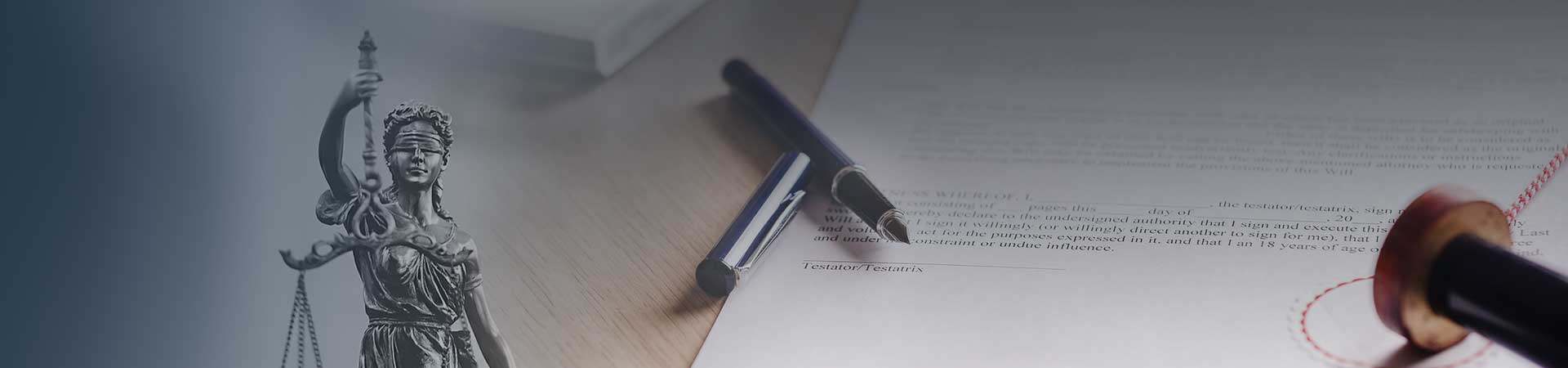
When putting together your estate plan, an estate planning lawyer in Allentown, PA will work with you to also draft a will that specifies how you want your estate to be distributed. This process can sometimes feel intimidating but understanding the process can help you feel more comfortable about the decisions you are making.
 What is the purpose of a will in an estate plan?
Although you may employ other estate planning tools to determine which of your assets go to heirs, such as a living trust, there may still be some items that are not addressed in any of these other documents. A will ensure that you have the final say in how these items and/or assets will be distributed. You will also appoint someone as the executor of your estate who will also ensure that your wishes are met.
If you have minor children, the most critical item that may be contained in your will is who you want to be appointed as your child’s legal guardian. As an Allentown, PA estate planning lawyer can explain, without a will, Pennsylvania intestacy laws will determine how your estate will be distributed and that could end up being totally different than what your wishes would have been.
What must my will contain in order to make sure it is legally valid?
Under the law, there are certain individuals who may have legal standing to contest a decedent’s will. While the estate is being probated, they can file their objection to the will, citing the reason or reasons why they think the will is invalid.
In order for a will to be considered valid, the person who writes the will be at least 18 years of age and they must be of sound mind. Pennsylvania law says that a sound mind means the person writing the will is mentally competent and they fully understand what assets and property they own and who they are leaving these
Possessing a sound mind means that the testator is mentally competent and fully understands what assets and property they own and to who they are conveying these assets and property.
In addition to the above requirements, the will must have also have the person’s signature on the bottom. There must also be a witness to that person’s signature. There are also a number of requirements if the person who is writing the will becomes ill and is unable to but does instruct another person to do so for them.
While handwritten wills are allowed under Pennsylvania law, they are discouraged because of the incidents of errors and misperceived intentions of the person writing the will.
Call Our Office Today
If you would like to learn more about putting together an estate plan or your plan needs updating, contact an estate planning lawyer Allentown, PA from Klenk Law, schedule an appointment, and find out how we can help.

Peter Klenk is the founding member of Klenk Law, a seven-attorney boutique estate planning law firm. We serve clients in Pennsylvania and New Jersey. Peter Klenk received his Master’s in Taxation, LL.M., from NYU Law School and his J.D. from the University of Minnesota Law School. He served his country in the Navy JAGC during Desert Storm. Easy to talk to, feel free to call Peter for an appointment. We will make the process as easy as possible!
Free Consultation
Client Review
"I worked for Peter Klenk for 4 wonderful years. I can’t speak highly enough of everyone at the firm. Everyone truly cares about their clients and has a strong sense of responsibility to get things done right. I would highly recommend Klenk Law!"
Flora Novick

Areas Served:
Philadelphia PA, Allentown PA, King of Prussia PA, Montgomery County PA, Bucks County PA, Doylestown PA, Jenkintown PA, Marlton NJ, Moorestown NJWhat Our clients are saying
Denise Lowmaster
Our experience with Klenk Law has been exceptional. We’ve had help with estate planning and pre-nuptial agreements. They really take the time to explain everything and let us know our options. All of the staff are very professional, courteous and knowledgeable. They are very prompt with responding to calls and messages. We will continue to use them and recommend to friends and family.
Sydney Magerman
Daniella was fantastically wonderful. A joy to be around and filled our conversations with so much educational knowledge. I’ve learned so much from her about being a great person and I can’t wait to work with her again
Maureen O'Ryan
Peter Klenk was great at explaining complicated issues and making them understandable. He and his team were extremely efficient and I highly recommend them for the creation of wills and trusts.
David Major
Had our will done with Peter and his team. Made the process super easy and understandable. His team lead by Laura Parisi were always available for questions and assistance. Professional and personable they made what can be a challenging experience hopeful and graceful. Cannot recommend their services enough!
Holger Bäuerle
We have been using Klenk law for a decade. Always good advice and fast execution. Highly recommended!
Let us put our expertise to work for you.
Free consultation within 24 hours.

