
Bucks County Special Needs Trust Attorney
Planning for a loved one with special needs isn’t a responsibility you take lightly. While there are often programs like Medicaid that provide key financial support, your family member might need help from your estate plan in order to qualify.
A special needs trust allows families to set aside funds for a person with disabilities without jeopardizing access to these programs. By placing assets into a properly structured trust, you can provide additional financial support while preserving eligibility for key government benefits they’ll need in the future. A Bucks County special needs trust attorney can be helpful throughout this process.
What Is a Special Needs Trust?
A special needs trust is a legal arrangement designed to hold and manage assets for the benefit of a person with a disability. The key feature of this type of trust is that the assets are not counted as the beneficiary’s personal resources for purposes of government benefit eligibility.
Under Pennsylvania law, trusts are governed generally by 20 Pa. Cons. Stat. § 7701 et seq., which outlines the rules for creating and administering trusts. Special needs trusts have additional requirements, as they must meet Medicaid guidelines for someone to be eligible for benefits.
The trustee manages the trust funds and uses them to pay for supplemental expenses that improve the beneficiary’s quality of life. These may include medical care not covered by insurance, education, transportation, and recreational activities.
A Bucks County special needs trust attorney can help ensure that the trust complies with the law and supplements your loved one’s income instead of replacing it.
First-Party vs. Third-Party Special Needs Trusts
Special needs trusts generally fall into two main categories: first-party and third-party trusts. The distinction depends on where the trust’s funding comes from.
First-Party Special Needs Trust
A first-party special needs trust is funded with assets that belong to the individual with the disability. This may include proceeds from a personal injury settlement, inheritance, or other financial resources.
Because the assets originally belonged to the beneficiary, they would ordinarily be counted against that person when calculating eligibility for benefits like Medicaid. It’s possible to have a first-party trust and still qualify as long as there are provisions in the document that any remaining funds in the trust may be used to reimburse the state for benefits provided after the beneficiary’s death.
Third-Party Special Needs Trust
A third-party special needs trust is funded with assets belonging to someone other than the beneficiary, usually a family member. It’s important to note that these trusts don’t require a Medicaid payback provision, meaning there’s no need to pay back the government after their passing. This makes them a common choice for long-term estate planning.
One way a Bucks County special needs trust attorney can help is by making a trust part of a larger estate plan. These trusts should work together with a person’s will or other documents to ensure their needs are met.
What Is a Pooled Trust?
A pooled trust is another type of special needs trust that combines the resources of multiple beneficiaries into a single trust managed by a nonprofit organization. Each beneficiary has their own account within the trust, but the funds are invested and managed collectively.
Pooled trusts are often used when the amount of money available for the trust is relatively modest or when families prefer professional management. This gives your family the chance to invest the trust assets in a way that can yield a better return than investing them individually.
Like first-party trusts, pooled trusts may include a Medicaid payback provision, depending on their structure. They are commonly used as an alternative when establishing an individual trust is not practical.
How to Establish a Special Needs Trust
The process of establishing a special needs trust typically begins by identifying the trust’s purpose and selecting a structure. Most of the time, that means choosing between a first-party or third-party trust option.
Next, you’ll need to pick a trustee to manage the trust assets and decide how the funds are used. This can be a person or a professional institution, but in the end, it’s a good idea to find someone with experience.
Once these pieces are in place, it’s time to draft the trust document. This agreement governs every aspect of the trust, and any mistake can entirely frustrate its purpose. Because of what’s at stake, it’s a good idea to rely on a Bucks County special needs trust attorney for this part.
Before the trust becomes active, you’ll need to fund it. This means transferring ownership of assets directly from you to the trust. While the trust will legally own this property, it will be used to support your family member with special needs.
How an Attorney Can Help
A Bucks County special needs trust attorney can help with the following:
Determining the Right Type of Trust
An attorney can evaluate your situation and recommend whether a first-party, third-party, or pooled trust is most appropriate.
Drafting a Compliant Trust Document
Special needs trusts must meet strict legal requirements. An attorney ensures that the language of the trust complies with Pennsylvania law and federal benefit rules.
Protecting Government Benefit Eligibility
Maintaining eligibility for programs like SSI and Medicaid is a key goal. An attorney can structure the trust to avoid common mistakes that could jeopardize benefits.
Coordinating With Your Estate Plan
A special needs trust should be integrated into your overall estate plan. An attorney can ensure that wills, beneficiary designations, and other documents align with the trust.
Guiding Trustees and Families
Attorneys can provide guidance on how the trust should be administered, helping trustees understand their responsibilities and avoid potential issues.
Reach Out to Klenk Law Today
Considering a special needs trust? Klenk Law is here to help. Reach out as soon as possible for a private consultation with a Bucks County special needs trust attorney.
Frequently Asked Questions
Will a special needs trust affect government benefits?
When properly structured, a special needs trust does not count as the beneficiary’s personal assets and should not affect eligibility for programs such as SSI or Medicaid.
Who should serve as trustee?
The trustee should be someone who is financially responsible and understands the beneficiary’s needs. Some families choose a professional trustee for added expertise.
Can family members contribute to the trust?
Yes. Third-party special needs trusts are often funded by parents, grandparents, or other family members who want to provide support.
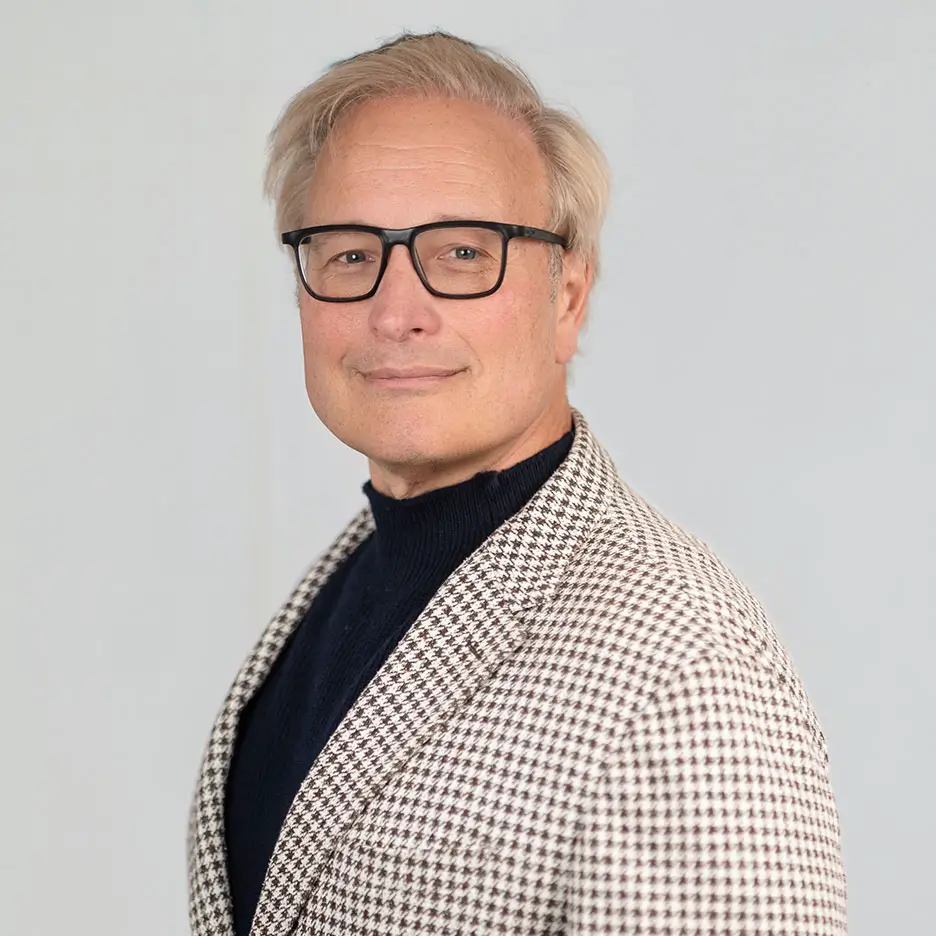
Peter Klenk is the founding member of Klenk Law, a seven-attorney boutique estate planning law firm. We serve clients in Pennsylvania and New Jersey. Peter Klenk received his Master’s in Taxation, LL.M., from NYU Law School and his J.D. from the University of Minnesota Law School. He served his country in the Navy JAGC during Desert Storm. Easy to talk to, feel free to call Peter for an appointment. We will make the process as easy as possible!
Free Consultation
Client Review
"I worked for Peter Klenk for 4 wonderful years. I can’t speak highly enough of everyone at the firm. Everyone truly cares about their clients and has a strong sense of responsibility to get things done right. I would highly recommend Klenk Law!"
Flora Novick

Areas Served:
Philadelphia PA, Allentown PA, King of Prussia PA, Montgomery County PA, Bucks County PA, Doylestown PA, Jenkintown PA, Marlton NJ, Moorestown NJWhat Our clients are saying
Mark Mansfield
Been a long term customer of Klenk Law. Wills and Trusts are so important and that is their strength! They are hyper responsive to any question you may have, and you are always treated well. I feel like a part of their family when there. I feel very valued as well. Give them a try!
Bill Cass
My wife and I were thoroughly satisfied. We had very clear explanations of complicated subjects.
Jacob Lenton
Jackie M. at Klenk Law is dynamite.!! She is certainly an asset to this firm. Knowledgeable, personable, and dedicated to her craft.
Jacqueline Gowen-Tolcott
We had an excellent experience. Everyone was very personable, professional and efficient.
Paul A
Klenk was efficient and professional in designing and executing the necessary documents for my trust, will and associated paperwork after my moving to pa from out of state. This allowed an inherently unpleasant responsibility to be completed with minimal agony and diligence. His web site further enables executed document update and distribution with minimal fuss.
Let us put our expertise to work for you.
Free consultation within 24 hours.

