

Philadelphia Special Needs Trust Attorney
Planning for the future is important for anyone, but this is especially true if you have a loved one living with a disability. When someone relies on government programs like Medicaid, it can be challenging to ensure they receive the resources they need to survive while still meeting the federal income requirements.
A special needs trust is an ideal tool for managing this situation. At Klenk Law, we understand the worry that comes with ensuring that a disabled loved one has what they need. This kind of trust not only provides for them in the long term but also helps them remain eligible for important benefits. Talk to a Philadelphia special needs trust attorney today to discuss your options.
What Is a Special Needs Trust?
A special needs trust is a legal entity that holds assets for the benefit of an individual with a disability. The trust is structured so that the assets it holds are not counted as the beneficiary’s personal resources for purposes of qualifying for government benefits. This is important, as programs like Medicaid pay benefits only to disabled individuals who fall below a certain income level.
Unlike other types of trusts that make direct cash payments to beneficiaries, these trusts cover the cost of supplemental needs such as education, therapy, and quality‑of‑life expenses.
Special needs trusts are governed by both federal law and Pennsylvania trust statutes. They must be carefully drafted to comply with Social Security and Medicaid rules, which strictly limit how the trust’s funds can be used. When structured correctly, a special needs trust can allow your family to enhance the life of a disabled loved one without risking their benefit eligibility.
First‑Party vs. Third‑Party Trusts
Understanding the distinction between first‑party and third‑party special needs trusts is critical, as they serve very different purposes.
First‑Party Special Needs Trusts
A first‑party special needs trust is funded with assets that belong to the individual with a disability. This often occurs when the beneficiary receives a personal injury settlement, inheritance, or back payment of benefits. Because the funds originally belonged to the beneficiary, federal law requires that a Medicaid payback provision be included. Upon the beneficiary’s death, any remaining assets must be used to reimburse the state for Medicaid benefits provided during the individual’s lifetime. First‑party trusts must be established before the beneficiary turns 65 and must be created by a parent, grandparent, legal guardian, or the court.
Third‑Party Special Needs Trusts
A third‑party special needs trust is funded with assets belonging to someone other than the beneficiary, such as a parent or grandparent. These trusts are commonly used as part of a broader estate plan. Because the funds never belonged to the beneficiary, no Medicaid payback is required. The grantor may specify where remaining assets go after the beneficiary’s death, often to other family members. Third‑party trusts offer greater flexibility and are often the preferred planning tool when families are proactively planning for the future.
Pooled Special Needs Trusts
A pooled special needs trust is managed by a nonprofit organization that pools funds from multiple beneficiaries for investment purposes. In a way, it works like a mutual fund, keeping separate accounts for each individual while spreading their resources across multiple investments. Pooled trusts can be first‑party or third‑party in nature and are often used when the amount of assets involved does not justify the cost of a standalone trust.
These trusts can be particularly helpful for individuals who lack a trusted person to serve as a trustee. While pooled trusts offer convenience and expertise, they typically involve administrative fees and less customization than a private trust. A Philadelphia special needs trust attorney from our firm can advise you on your options, including whether or not a pooled trust is in your best interest.
How to Establish a Special Needs Trust in Pennsylvania
Creating a special needs trust involves several important steps that must be handled with precision to avoid unintended consequences.
The process begins by identifying the beneficiary’s needs, current benefits, and anticipated future expenses. From there, the appropriate type of trust is selected based on the source of funding and long‑term planning goals. The trust document is then drafted to comply with Pennsylvania trust law and federal benefit regulations, including strict limitations on distributions.
Once the trust is executed, it must be properly funded. This may include retitling assets, coordinating beneficiary designations, and selecting a trustee who understands fiduciary responsibilities. Because benefit eligibility depends on ongoing compliance, even minor administrative errors can have serious consequences.
Why a Knowledgeable Philadelphia Special Needs Trust Attorney Is Essential
Special needs trusts are among the most complex estate planning tools, as they involve overlapping state and federal regulations. A Philadelphia special needs trust attorney provides critical guidance throughout the process and beyond.
Ensuring Benefit Eligibility
An attorney ensures that the trust language complies with SSI and Medicaid rules so distributions do not disqualify the beneficiary from benefits.
Selecting the Right Trust Structure
Each family’s situation is different. An attorney evaluates whether a first‑party, third‑party, or pooled trust is the best fit for your goals and resources.
Drafting Precise and Compliant Documents
Vague or improperly drafted trusts are vulnerable to challenge or rejection by benefit agencies. Legal precision is essential.
Coordinating with Estate Plans
A special needs trust should work in harmony with wills, powers of attorney, and beneficiary designations to avoid accidental disinheritance or benefit loss.
Advising Trustees on Administration
Trustees must understand what expenses are permissible and how to manage distributions. Ongoing legal guidance helps trustees avoid costly errors.
Call a Philadelphia Special Needs Trust Attorney Today
At Klenk Law, we understand that special needs trusts are a way to ensure your loved one is cared for both now and in the future. With our firm’s help, you can ensure that your loved one receives both the public benefits they depend on and the supplemental support that enhances their quality of life. Reach out for a private consultation with a special needs trust lawyer today.
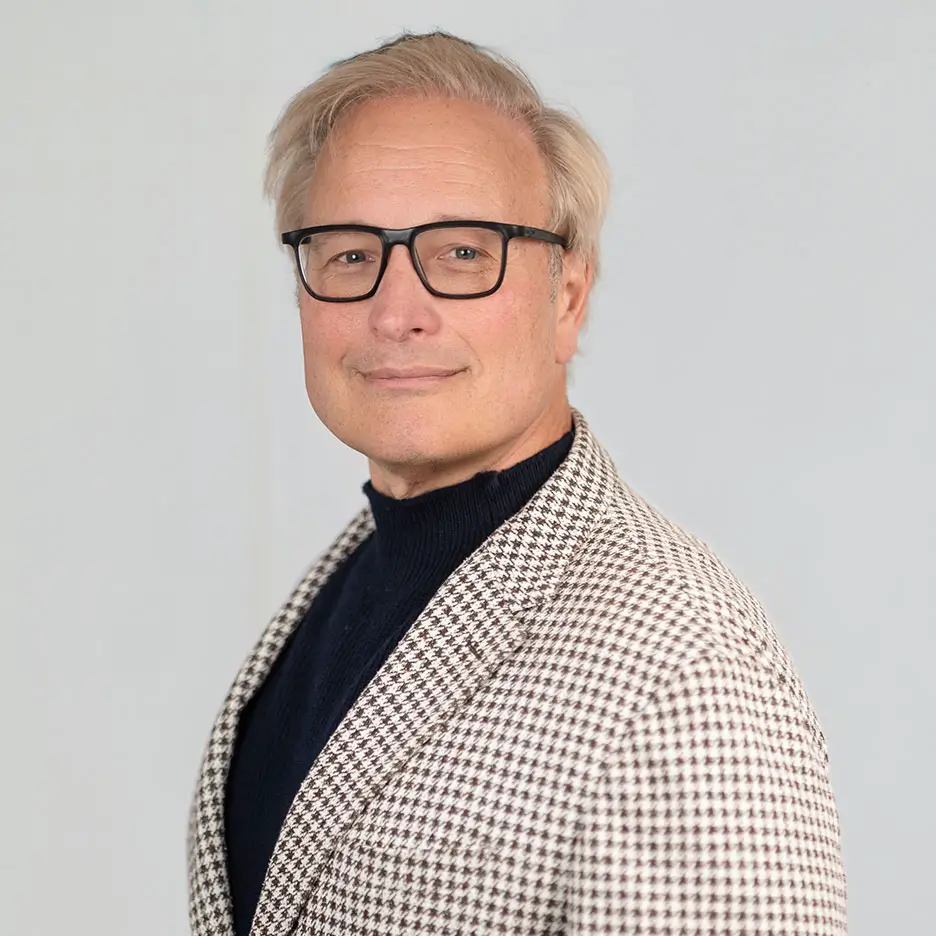
Peter Klenk is the founding member of Klenk Law, a seven-attorney boutique estate planning law firm. We serve clients in Pennsylvania and New Jersey. Peter Klenk received his Master’s in Taxation, LL.M., from NYU Law School and his J.D. from the University of Minnesota Law School. He served his country in the Navy JAGC during Desert Storm. Easy to talk to, feel free to call Peter for an appointment. We will make the process as easy as possible!
Free Consultation
Client Review
"I worked for Peter Klenk for 4 wonderful years. I can’t speak highly enough of everyone at the firm. Everyone truly cares about their clients and has a strong sense of responsibility to get things done right. I would highly recommend Klenk Law!"
Flora Novick

Areas Served:
Philadelphia PA, Allentown PA, King of Prussia PA, Montgomery County PA, Bucks County PA, Doylestown PA, Jenkintown PA, Marlton NJ, Moorestown NJWhat Our clients are saying
Denise Lowmaster
Our experience with Klenk Law has been exceptional. We’ve had help with estate planning and pre-nuptial agreements. They really take the time to explain everything and let us know our options. All of the staff are very professional, courteous and knowledgeable. They are very prompt with responding to calls and messages. We will continue to use them and recommend to friends and family.
Randi Greenberg
Jackie is amazing! I have asked her many questions and she answers them professionally and honestly. She is very informative !!!
Chris Nezu
Klenk Law is a professional and class act from start to finish. Peter, and all of his staff members are patient, clear, and trustworthy, all within the context of a user friendly, kind, and comfortable ambience.
PJ Gorenc
The Klenk Law team was a pleasure to deal with! Peter was responsive and helpful, and took good care of our needs!
hinda schuman
very happy to deal with Peter Klenk law firm over many decades
Let us put our expertise to work for you.
Free consultation within 24 hours.

